Bangalore

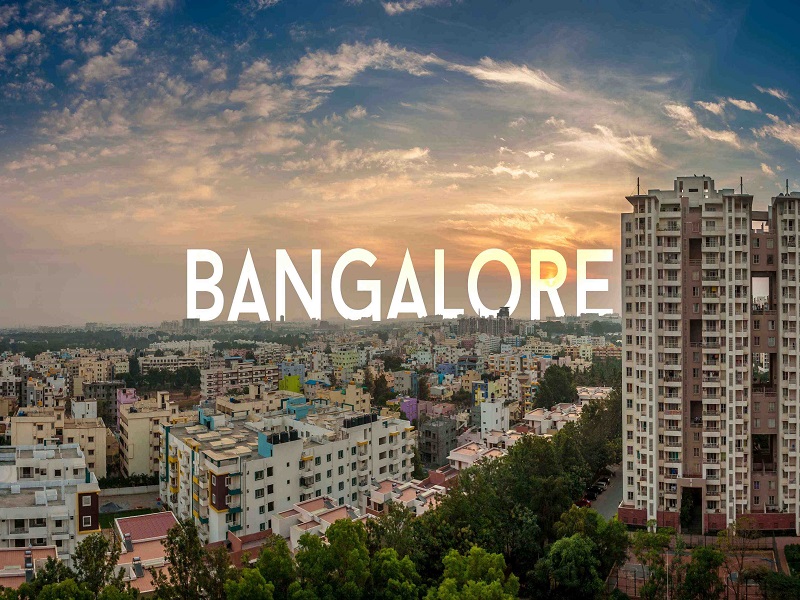
Featured Image of Bangalore


Bangalore is India's largest office market and one of its top property hubs, with about 1.5 crore people. In 2026, the city runs under the new Greater Bengaluru Authority, with five city corporations. Its metro covers 96.1 km today and aims for 175 km by December 2027. For home and plot buyers, the strongest growth now sits in North Bangalore, around Hebbal, Yelahanka and Devanahalli.

This guide shows where the jobs and new roads are heading, and what that means for you. It also shows why North Bangalore plots have become a top pick for families and investors alike.

Bangalore at a Glance


Detail Information
State Karnataka (state capital)
Population About 1.5 crore
City governance Greater Bengaluru Authority with five city corporations
City area under GBA About 712 sq km
Metro network 96.1 km with 83 stations (October 2026)
Metro target About 175 km by December 2027
Airport Kempegowda International Airport, Devanahalli
Office leasing 2025 Record 2.87 crore sq ft (Knight Frank)

Why Bangalore Leads India's Property Market


Bangalore earned the name "Silicon Valley of India" because tech firms chose it first and stayed. Today, the city adds global capability centres faster than any other Indian city. These centres are offshore tech and business hubs for big foreign companies. Each one brings thousands of well-paid jobs, and those workers need homes close to work.

In 2025, the city leased a record 2.87 crore sq ft of office space, up 59% in a year. The trend carried into 2026. From January to September 2026, it held a 28% share of all office leasing in India, as per JLL. When offices fill up this fast, housing demand follows within a few years.

The city also offers a pleasant climate, good schools and a large talent pool from top colleges. These factors keep both companies and families coming back, even when other cities offer lower costs.

How Bangalore Is Governed in 2026


Bangalore went through a major civic change in 2025. The state replaced the old Bruhat Bengaluru Mahanagara Palike (BBMP) with the Greater Bengaluru Authority (GBA). The GBA now sits at the top, with five city corporations below it. These are Bengaluru Central, North, South, East and West.

The five corporations handle daily upkeep like roads, waste and local works. The GBA handles larger city projects and coordinates the corporations. Each corporation presented its first budget in March 2026, which marked a real start for the new system.

For property buyers, this change matters in one practical way. Property tax rules stay the same, but you now pay tax to your own zonal corporation.

Bangalore Metro: Where It Stands Today


Namma Metro opened in 2011 with just 6.7 km of track. By October 2026, the network had grown to 96.1 km across 83 stations. Three lines run today: Purple, Green and Yellow. The Yellow Line opened in August 2025 and carries close to one lakh riders a day.

More lines are on the way, and they will nearly double the network. The state plans to add about 41 km during 2026 and another 38 km by December 2027. The second batch includes the Blue Line, linking Silk Board to the airport via Hebbal and Yelahanka.

Metro Line Route Status
Purple Line Whitefield to Challaghatta Operational
Green Line Madavara to Silk Institute Operational
Yellow Line RV Road to Bommasandra Operational since August 2025
Pink Line Kalena Agrahara to Nagawara Under construction
Blue Line Silk Board to Kempegowda Airport Under construction, airport stretch due 2027

The Blue Line is the most important line for North Bangalore buyers. Once it opens, trips from Yelahanka and the airport belt to the Outer Ring Road get far easier.

Bangalore's Key Growth Zones


Bangalore grows in clear directions, and each zone suits a different kind of buyer. Here is a quick view of where the city is heading.

  • East Bangalore: Whitefield and the Outer Ring Road hold the largest IT parks and the highest office demand.
  • South Bangalore: Electronic City, Sarjapur Road and Banashankari offer mature homes and steady rental demand.
  • West Bangalore: Tumkur Road and Mysore Road attract buyers who want value close to industry.
  • North Bangalore: Hebbal, Yelahanka and Devanahalli grow around the airport, new roads and large factories.

East and South Bangalore already carry high prices, and land there is hard to find. North Bangalore still offers large land parcels, which is why plotted projects now cluster on that side.

Why North Bangalore Draws Plot Buyers


North Bangalore has changed more in the last ten years than any other part of the city. The airport at Devanahalli started this shift, and new roads and employers have kept it going. Bellary Road (NH 44) gives you a fast, wide route from Hebbal right up to the airport.

Big employers now sit close to the airport. Foxconn's iPhone plant in Devanahalli has hired close to 30,000 people and plans to reach 50,000. The Satellite Town Ring Road already links Dobbaspet, Devanahalli and Hoskote, and more stretches are on the way.

For you, the main draw is space at a fair price. A plot in North Bangalore costs far less than land in Whitefield or Koramangala. You also get to build a home to your own design, which apartments cannot offer.

Buying a Plot in Bangalore: What to Check


Plots give you full control and long-term value, but you must check approvals with care. Here are the key points every buyer should confirm before booking.

  • RERA registration: check the project's number on the Karnataka RERA portal.
  • Layout approval: confirm that the right planning body, such as BMRDA or BIAAPA, approved the layout.
  • Khata type: ask for the E-Khata or A-Khata details, as these affect loans and building plans.
  • Title and land use: make sure the land is converted for residential use with a clear title.
  • Water and power: ask where water comes from and how power lines reach each plot.
  • Developer record: see how many phases or projects the builder has already finished.

When a branded developer handles these steps, your risk drops sharply. That is why branded plots in North Bangalore sell faster than loose land deals.

A North Bangalore Example: Vaishnavi AT-One Life


One example of a branded plotted layout in this belt is Vaishnavi AT-One Life by Vaishnavi Group. The project spreads across 66.36 acres in Bettanahalli, Devanahalli, just off the airport road. It holds 899 plots in four phases, with sizes from 1,200 sq ft to 2,400 sq ft.

Each phase carries its own Karnataka RERA number, and BIAAPA approved the layout plans. Prices start at ₹1.07 crore for a 30x40 plot. Phases I, II and III are already complete, while Phase IV is due in December 2027. The layout includes a 32,750 sq ft clubhouse, 26 parks and underground utility lines.

If you want a home site near the airport and the new metro, this shows what the north offers today.

Latest News: Bangalore in 2026


Here are the most important recent updates shaping Bangalore's growth and property market:

  • Metro turns 15: By October 2026, Namma Metro had grown from 6.7 km in 2011 to 96.1 km across 83 stations.
  • 175 km metro target: The state plans to add 41 km of metro in 2026 and 38 km more by December 2027.
  • Airport metro crosses 72%: The airport Blue Line passed 72% overall progress in August 2026, with the airport stretch due in 2027.
  • Record office leasing: India's office leasing hit a record in January to September 2026, and Bangalore led with a 28% share.
  • GCCs drive demand: Bangalore recorded 52 lakh sq ft of office leasing in Q3 2026, with GCCs taking 65% of demand.
  • Top city in H1 2026: Savills reported that Bangalore captured 32% of India's office absorption in the first half of 2026.
  • First GBA budgets: The five new city corporations presented their first budgets on 27 and 28 March 2026.
  • Airport expansion cleared: Kempegowda International Airport received environmental clearance to raise capacity from 5.5 crore to 11.4 crore passengers a year.
  • STRR progress: The Dobbaspet to Hoskote stretch of the ring road is open. Reports say nearly half the full road could open by November 2026.
  • New district names: Bengaluru Rural became Bengaluru North in July 2025, after Ramanagara became Bengaluru South.

FAQs


1. Is Bangalore a good city to buy property in 2026?

Yes, Bangalore remains one of India's strongest property markets in 2026. It leads the country in office leasing, which keeps housing demand steady. New metro lines and the airport expansion also support long-term price growth.

2. Which part of Bangalore is best for buying plots?

North Bangalore is the top choice for plots in 2026, especially around Yelahanka and Devanahalli. It still has large land parcels at fair prices, unlike East and South Bangalore. The airport, Foxconn's plant and the upcoming Blue Line add strong demand.

3. What is the Greater Bengaluru Authority?

The Greater Bengaluru Authority replaced the BBMP in 2025 as the city's top civic body. It oversees five city corporations: Central, North, South, East and West. The corporations manage daily services, while the GBA handles larger city projects.

4. How big is the Bangalore Metro network now?

As of October 2026, Namma Metro covers 96.1 km with 83 stations across three lines. The state aims to expand it to about 175 km by December 2027. This growth includes the Blue Line to Kempegowda International Airport.

5. Why do IT companies prefer Bangalore?

IT companies prefer Bangalore for its large tech talent pool, top colleges and mature office parks. The city also hosts more global capability centres than any other Indian city. Its pleasant climate and good schools help firms attract and keep staff.

6. Are plots a better buy than flats in Bangalore?

Plots suit you if you want to build your own home and hold land for the long term. Land does not age like a building, so its value tends to hold better. Flats suit buyers who want ready homes, shared upkeep and quick rental income.

Enquiry
Enquire Now